Guides
Guides appear on a fortnightly rhythm and collect here as they go up.
Updated .
What is published so far?
11 pieces to date. Newest first.
A care guide goes up once its instruction has survived repeated runs, not once it reads well.
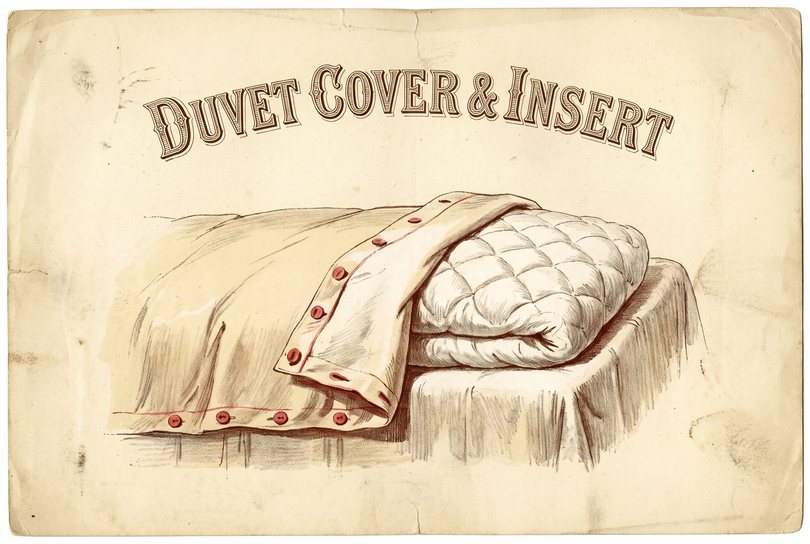
What is a duvet cover, and what does it do on a made bed?
A duvet cover is the removable, washable shell around the filled blanket on your bed. It is the layer you see. We read 14 seller product pages to find out how sellers describe it. Below, you will learn what the cover is and what it does on your made bed. You will also learn what fits inside it.
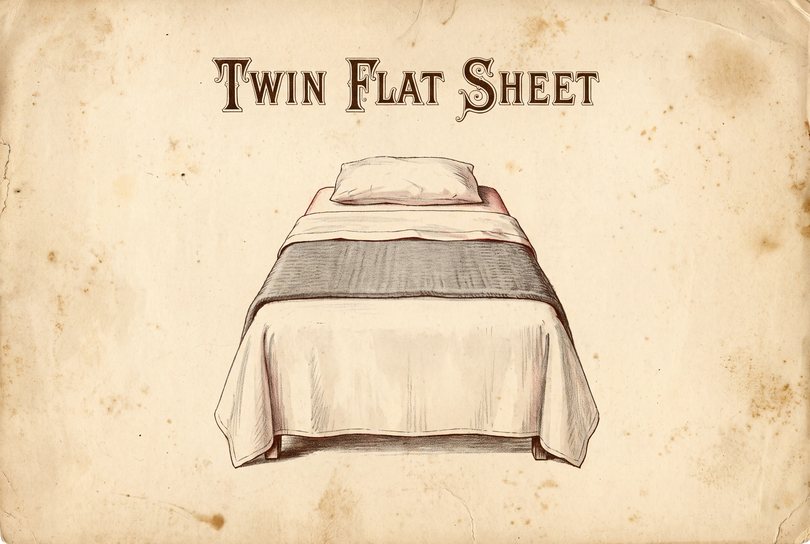
What is a top sheet, and do you need one?
A top sheet is the flat, unfitted sheet that lies between you and your blanket. Its main job is to keep that heavier layer clean. Whether you need one depends on which layer of your bed you will wash every week.
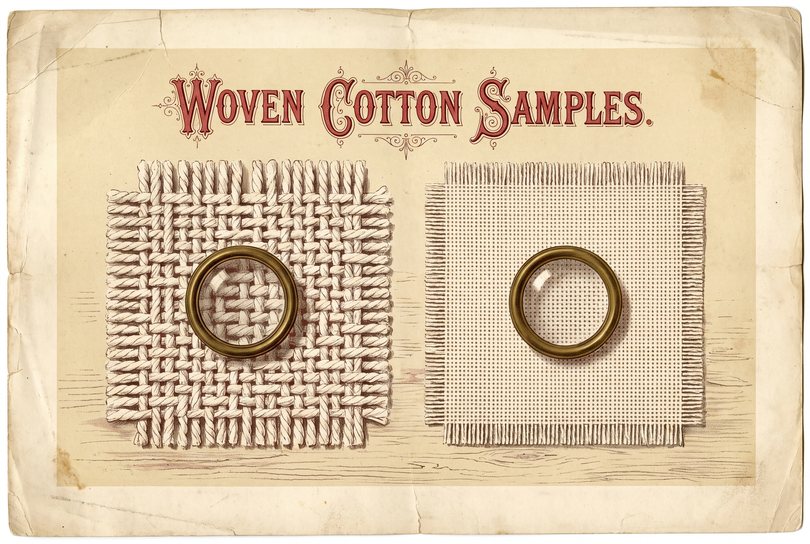
Is thread count a marketing number, and what should you read instead?
The biggest number you see on a sheet listing is usually the thread count. It is the easiest to inflate. This page shows you what the count measures, how sellers stretch it, and which facts on a listing tell you more.
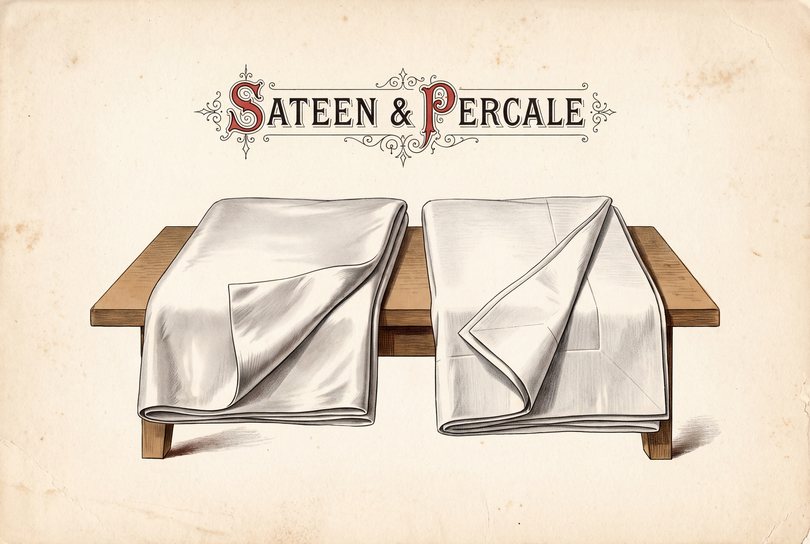
What is sateen, and why does it feel smoother than percale?
Sateen sheets are cotton sheets woven so that most of each yarn lies on the surface. You feel that as a smooth, slightly slippery face with a soft shine. That feel comes from how the yarns cross, not from the cotton. The crossing also decides how a sateen sheet wears.
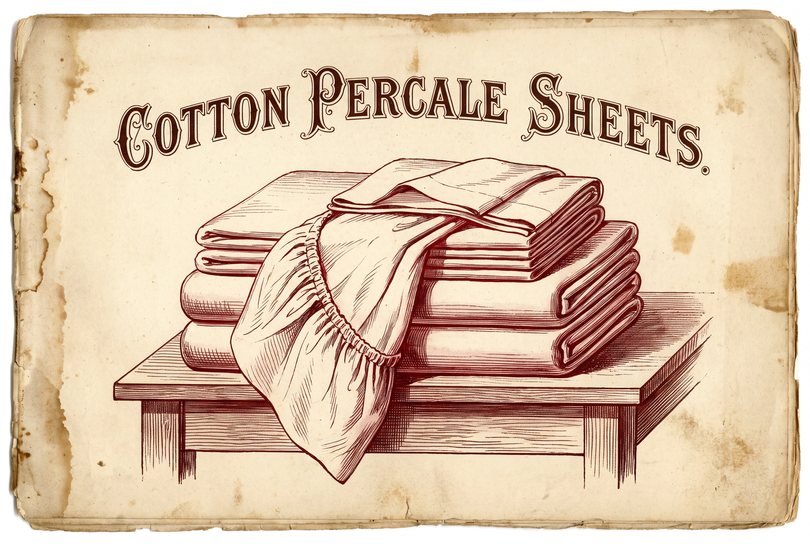
What is percale, and how does the weave feel and wear?
Percale is a plain weave, one thread over and one under, and it gives cotton sheets their crisp, matte, hotel feel. The word on a package names how the threads cross. It says nothing about the fiber, and the number printed beside it is where most labels get murky.
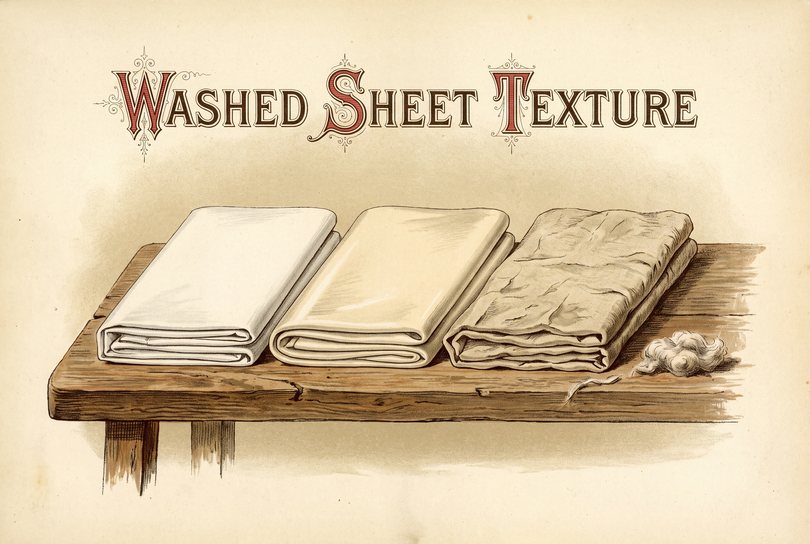
What does repeated washing do to percale, sateen, and linen sheets?
Every wash takes a little out of your sheets. Lab tests show where it goes. The fiber weakens, loose ends rub up into pills, and the weave tightens so the sheet shrinks. In one study, cotton fabric showed 41.2% total wear in the warp direction after 50 washing cycles (PMC). The weave you pick decides how soon you notice.
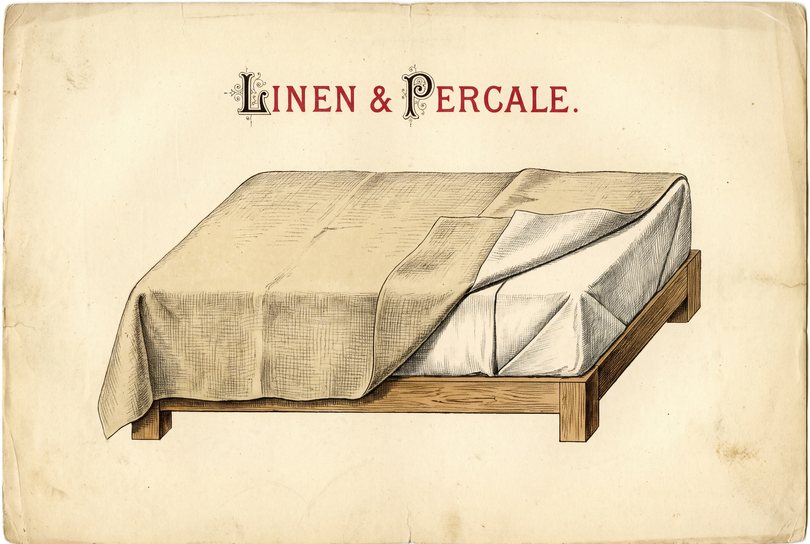
How is linen made into sheets, and how does it differ from cotton percale?
Linen sheets are woven from flax, a plant fiber that is pulled, rotted loose and combed before it is spun. Percale names a plain weave, usually of cotton. So the two labels answer different questions about the sheet in your hands.
How do you wash linen sheets?
Linen sheets are easier to wash than their price suggests. Three settings matter most. They are water temperature, spin and dryer heat. The catch is the labels. Most linen is labeled in Celsius, and sellers don't agree on every step. This guide turns those labels into settings on an American washer. It also flags where the sources disagree.
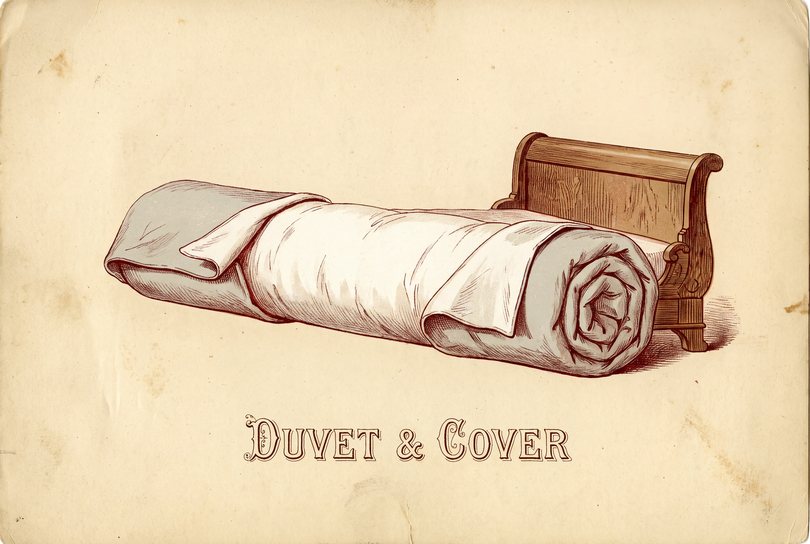
How do you put a duvet insert into its cover and close it?
A duvet cover goes on most easily when you lay the insert and cover flat together and turn them as one piece. You don't need to push it in by hand. A California workplace-safety filing says hotel duvets can weigh 14 pounds or more and take real effort to handle (California DIR filing, 2012). With that much weight, the method you pick decides how hard your arms and back work.
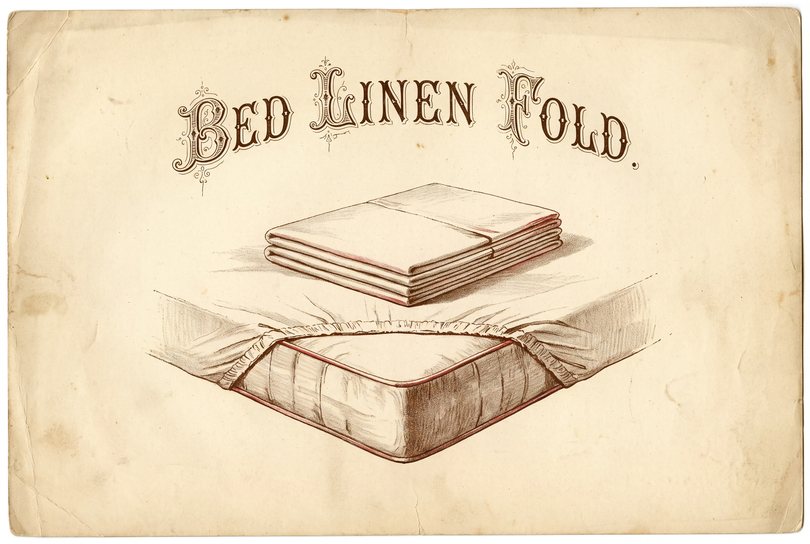
What is the difference between a flat sheet and a fitted sheet, and do you need both?
A standard American sheet set comes with one of each. Folded on a shelf, they look alike. They do different jobs, though, and each one goes wrong in its own way when you buy the wrong size or put it on the wrong layer.
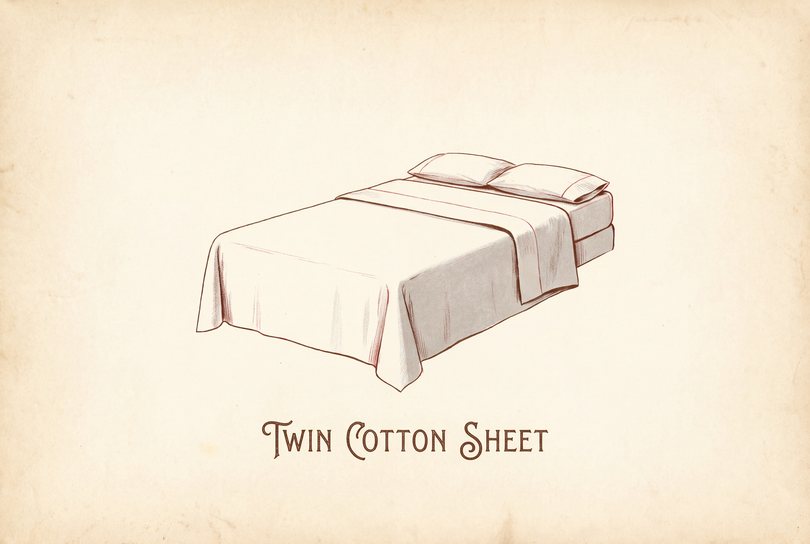
What size flat sheet fits each bed, from twin to king?
You buy a flat sheet by the name of your bed, but the inches behind that name change from seller to seller. This page sets out the standard US sizes, how far each one hangs past the mattress, and what sellers print.